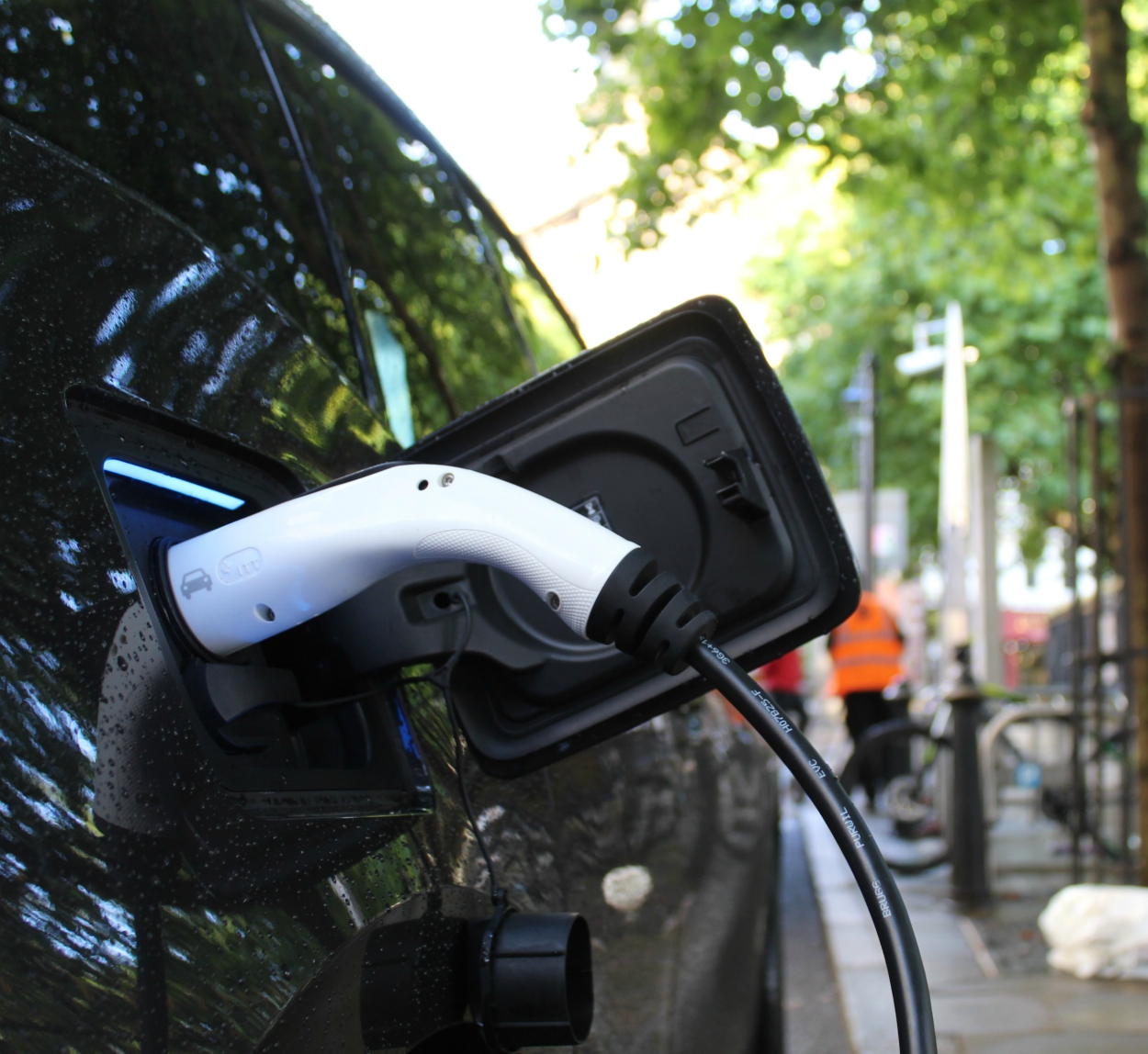
Electrified power trains continue to reduce vehicle emissions, an area automakers pursue based on environmentally conscious consumers and ongoing pressure from regulatory authorities. Lux Research in their study found that most automakers are focusing on increasing charging speeds and the vehicle range of battery electric vehicles (BEVs), while they struggle to achieve profitability in the segment.
Lux’s report, “The Electric Vehicle Inflection Tracker: 2020 Edition,” offers automakers two pathways to move forward. One is to put greater focus on battery supply chains as shortages are causing production planning problems that are expected to worsen with rising demand for batteries exceeding supply over the next few years. The second path forward is to straddle between production platform flexibility and commitment. In particular small original equipment manufacturers (OEMs) need flexibility in their production platforms so they are not financial impacted when BEV sales lag–they value having an option to change production.
BEVs are consistently showing progress on how far they can go, with the average range now 230 miles. Since 2011, BEV range has consistently increased at a compound annual growth rate (CAGR) of 13.7%, explains Chris Robinson, Senior Analyst at Lux Research and lead author of the report.
However, making the production of BEV’s profitable remains the industry’s greatest issue. While some luxury brands can readily absorb the higher costs of battery packs, other consumer segments put a value on convenience.
“Currently, BEVs are more expensive and less convenient to use than their nonelectric counterparts, but technology will continue to close this gap. We expect to see efficiency front and center as the next major focus of BEV design, with automakers either downsizing packs to increase profitability or offering more range,” Robinson adds.
Related posts:
- Top Leaders in Public Charging Networks for Electric Vehicles Assessed in Latest Navigant Research Report
- ChargePoint’s Electric Charging Stations Funded to Meet Need of Expanding Electric Vehicle Market
- Renault-Nissan-Mitsubishi Fund Li-ion Battery Technology for Electric Vehicles
- Plug-in Electric Vehicles Jump 70% Year to Year, according to Navigant Research
- Plug-In Electric Vehicles Enabling Virtual Power Plants and Micro-grids within Next Five Years, Navigant Research Reports