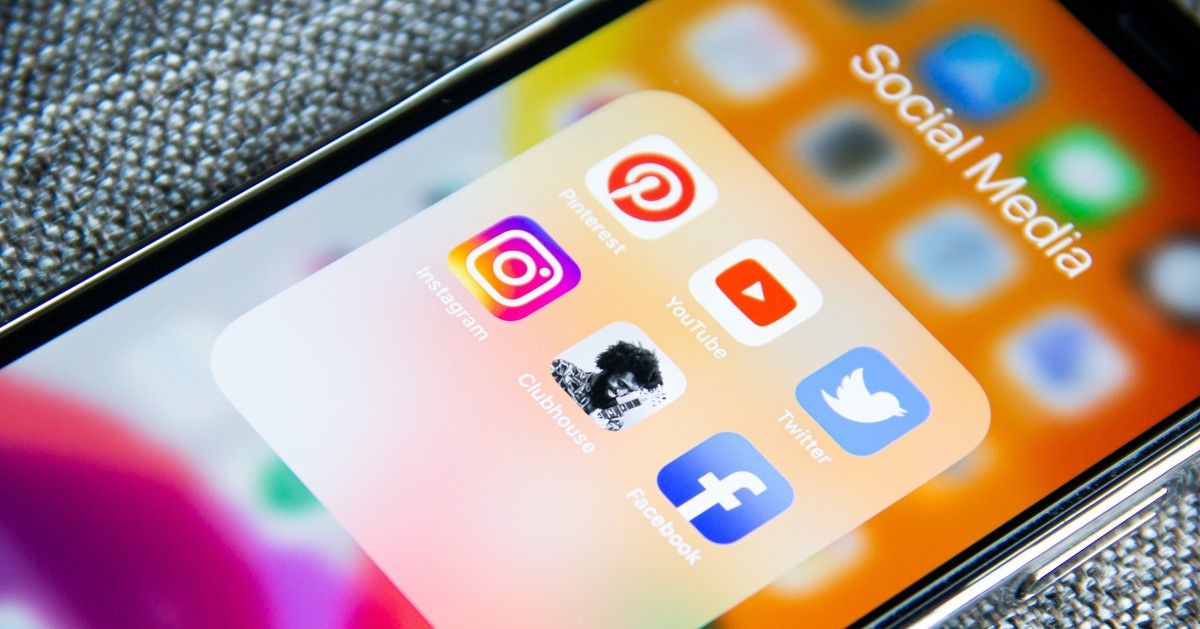
When a small business considers its marketing strategy, it should assess multiple channels in determining the best means for them to reach their customer base. They should also develop a customer profile which is foundational for creating the company’s brand and reaching their target customer base. This is particularly important when using social media that is at the top of any marketing strategy—that now also includes influencers who bring another dimension to online product promotion.
Influencers are individuals who have a strong profile and presence online that attracts a large number of followers ranging from thousands to millions. They have achieved this standing by maintaining a pipeline of consistent quality content that gives them credibility and authority in particular areas. They make money via fees through their promotion of brands and products on their blogs, podcasts, youtube videos or other platforms. While many have sponsors who want to reach a particular influencer’s audience, promotion also comes in the form of product mentions and endorsements that the influencer incorporates into their content—that has been found to directly impact consumer purchasing decisions.
A survey by text communication leader SlickText, titled “Do Consumers Trust Social Media Influencers? Here’s What Statistics Show,” gave insight to brands, marketers and influencers, offering them suggestions specific to consumer trust.
“Social and influencer marketing has grown exponentially over the past few years, because brands continue investing more and more in this strategy,” said Meg Scales, CMO of SlickText. “However, it is critical that brands don’t lose consumer trust by over-promoting products and creating unauthentic sponsored content. Consumers expect real, valuable reviews in channels they trust, like text messaging influencer marketing truly impacts purchase decisions when done properly.”
However, according to SlickText, much remains to be done in terms of how to optimize influencers in brand building and their impact on consumer purchases. Followers are very receptive to an influencer’s ongoing pipeline of content that gives a positive ROI to the brands utilizing them.
While followers give greater weight to influencer endorsements than paid sponsorships, marketers must still hone their brands and increase product awareness before pursuing influencers. Those key elements in combination with an influencer who is in a trusted media channels makes a consumer feel they are having a positive a meaningful interaction with an influencer who in turn is impacting their purchasing decisions.
Upon reviewing the 1,000+ surveyed consumers, separated by age and gender, SlickText has a great deal of insight in the report they are sharing:
- 69% of Gen Z respondents named Instagram as the platform with the most genuine influencers, and 28.67% identified TikTok. In contrast 31% of Boomers said Facebook. One-third of respondents indicated that an excess of sponsored posts lowered their trust in influencers,
- 45% Gen Z respondents prefer text messaging for communicating with an influencer outside of social media.
- 38% of all respondents put weight on reviews as they offer them the most helpful social media content and 52% of online shoppers doing pre-purchase research start by reading online reviews. But 34% of consumers expect unbiased reviews in order to gain their trust.
On the other hand, 23% of Gen Z women indicated how-tos were the most valuable, followed by motivational posts — not reviews. Nearly 40% of them feel their trust in a brand is best gained via direct interaction from the influencers that gives the role of influencers in marketing a big boost.
- Interestingly, one of three all respondents prefer to see content from an influencer they follow several times per day, saying much about the quality of the content pipeline’s value,
- In terms of impacting purchase decisions, when influencers articulate well the brand’s and product’s values, they inspire a very significant portion (40%) of survey respondents to make a purchase because they feel they “need” the product.
SlickText’s survey gives a small business insight on how to evaluate their own products and services and some first steps in determining if influencers may be part of their marketing strategy. Those businesses that have in place a marketing budget are in the better position of assessing which marketing channels give them the greatest value where they are then able to allocate their budget based a comparison of results.
But before they begin to approach an influencer, the small business owner must make a commitment to their brand. Doing this brings greater results than in the past because of platforms such as Facebook that give small businesses easier and more cost effective ways to market their products or services. Their targeting features also allow them to more precisely reach the demographics that fit their customer profiles. This is one of the great beneficial outcomes rising from digital marketing.
Most small businesses have developed their brand to some degree when they design their logo, web site and their core materials that support sales. By creating a uniform design and look in those areas and then consistently doing promotion via a dedicated budget, they are gaining and growing customer awareness that converts into purchases. That foundation then positions them to make use of influencers who they have qualified as having a following base that aligns with their customer profiles—enabling them to reach potentially thousands to millions of customers depending upon the influencer they choose.
Related posts:
- L’Oreal USA’s Women in Digital NEXT Generation Awards Beckon Female Tech Entrepreneurs
- Veteran Entrepreneur Pitch Competition Winners Announced, VetsinTech Partners with JPMorganChase
- Autonomous Vehicle and Technology Safety Summit Announced by Velodyne Lidar, Inc.
- Women of Color Entrepreneurs Receive Grants from Fearless Fund and Partner The Tory Burch Foundation
- CommonAngels Ventures Raises $26.5M Fund in Shifting VC Landscape