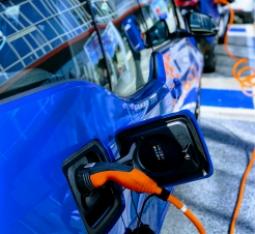
While only about 1 percent of the current global fleet vehicle market consists of electric vehicles, a new report by Navigant Research shows that number is expected to increase to 12 percent by 2030. Cost reductions, advanced technology, and government incentives are all expected to be a driving force behind the global shift toward electric vehicles in the coming years.
The report details the market issues surrounding fleet electrification, such as charging infrastructure, segmenting the automobiles by vehicle class and region. Even with setbacks, electric vehicles are becoming more affordable and desirable due to a decrease in the price of batteries and the government providing purchase incentives to drivers, working to meet emission reduction goals.
Fleet companies are also becoming more versatile and introducing vehicles of all uses and sizes that are becoming more electricity dependent. UPS, FedEx, and several city bus fleets in China have committed to using more electricity in their vehicles, or in some cases, producing entirely electric vehicles, signifying a commitment to make large vehicles more environmentally friendly.
“Fleet electrification has largely focused on the light-duty vehicle segment to date. However, recent developments with electric medium and heavy-duty vehicles point toward encouraging signs of future growth in that segment,” says Raquel Soat, research analyst with Navigant Research in a press statement. “For example, the 2017 introduction of the Tesla Semi, BYD’s debut of its refuse truck in 2018, and the success of electric buses in China over the last 4 years all show momentum toward larger fleet electrification.”
Related posts:
- Data Laws Exacting a Toll on American Businesses Due to Their Ambiguity and Uncertainty
- Detroit’s First Angel Investment Group, Woodward Angels, Founded with Key Support of Grand Angels
- Napigen’s gene editing technology and the future of food
- Broad Street Angels Host Veteran Entrepreneurs for Venture Pitching aboard Battleship New Jersey
- AI Innovation in Fintech Bringing Improvements to Loan Application Process