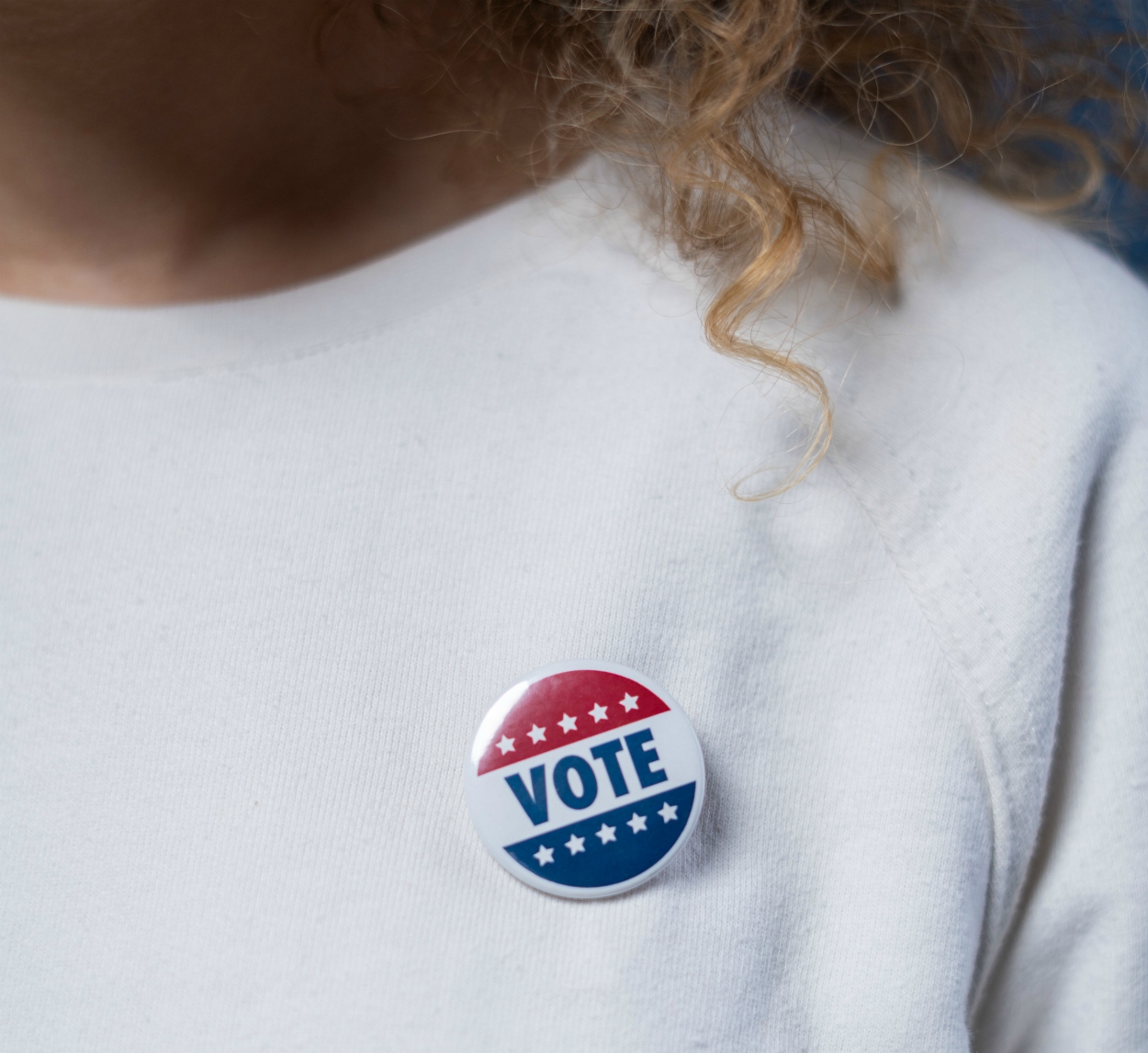
Having just marked the 100-year anniversary of the passing of the 19th Amendment on August 18th that granted and protected women’s right to vote in America, a new voter initiative has emerged for women. Turnout 100 is a grass roots movement seeking to record the highest turnout of female voters in American history for the upcoming general election to be held on November 3rd, 2020.
“This launch is just the beginning, and we look forward to announcing future initiatives as well as partnering with other similar organizations,” said Turnout 100 Founding Member Jenn Vickery. “We see this campaign as a true connector – we want to help enable and inspire women to cast their votes this November and amplify the importance of making our voices heard.”
Only 63.3% of eligible women voters participated in the 2016 presidential election, according to the Center for American Women and Politics. 30% of women said they don’t know enough about politics to become more involved, revealed in a study by Gender On The Ballot. Men, by comparison, were three times less likely to state this as a top barrier for them to vote.
To reach their goal, the nonpartisan initiative provides reliable educational resources while amplifying the voices within the modern women’s leadership movement for more female participation in politics. As Election Day draws closer, Turnout 100 fully plans to gain more traction and supporters to ensure women voters have their voices heard.
Read about another Women’s Initiative that Focuses on Diversity
Related posts:
- African American Female Entrepreneur Leads One of the Largest Series A Rounds in Enterprise Software for its SaaS-platform launched by Resilia
- Denver Startup Week Announces Dates for Next Record Breaking Turnout Event
- Black Women Entrepreneurs Gain Substantive Support from American Express’ “100 for 100” Grant Program
- MacArthur 100&Change Competition Announces Top 100 Proposals Vying for $100 Million Grant
- Media Entrepreneur Oprah Winfrey and Lionsgate Studio Partner to Create Multi-Media History of Slavery’s Impact